

Durante GDC 2018, Hisashi Nogami Productor de Splatoon y Splatoon 2 ha llevado a cabo una pequeña Conferencia del Reto que tuvo al Desarrollar la Idea Principal y Concepto en General de estos títulos.
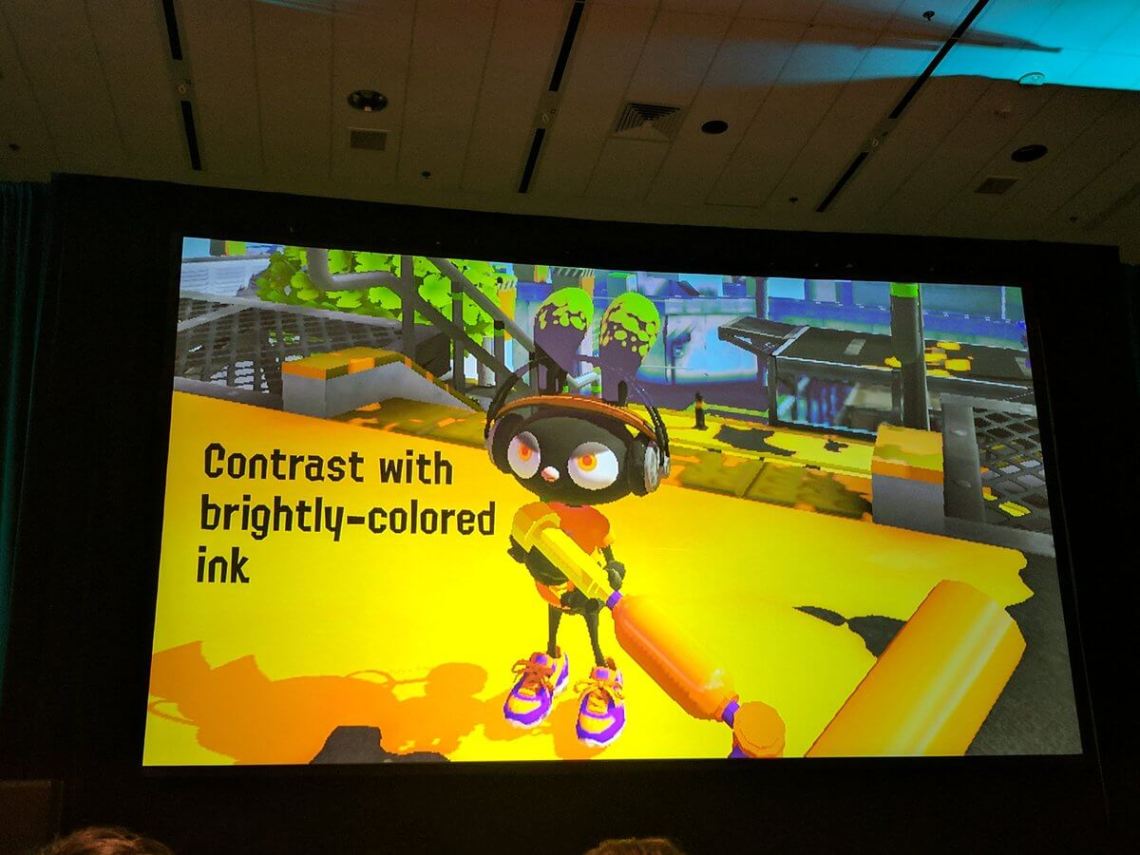
En General Nogami San habla que en un principio se había pensado en Conejos para el título, mismos que contrastarían con el color de la tinta y servirían para conceptualizar el Concepto de ‘Territorialismo» del que se trata el Juego.
También se llegó a pensar en usar a los personajes de la Serie de Super Mario, sin embargo, el Señor Nogami pensó que una nueva Experiencia necesitaría nuevos personajes para lograr su objetivo en el Público.
Los dejamos con algunas de las Sentencias de Hisashi Nogami sobre el Desarrollo Inicial y Conceptualización de Splatoon y Splatoon 2 para las Consolas de Nintendo:
– After discussing ideas for half a year, the team came up with a prototype
– This was cubes that could shoot black and white ink, which came to be known as tofu
– Linking together multiple Wii Us, they held team battles and tried to cover as much of the ground with their team’s ink
– This became the game’s core mechanic
– They explored ways to leverage the Wii U’s unique features like motion control and the GamePad
– While his team didn’t set out to create a shooting game from the start, it involved into this
– With a new world, you need new characters
– The characters in Splatoon are squids that can transform into humans
– People are often surprised when hearing this, so why is this?
– The first prototype was with rabbits
– They’re both black and white, and also highly territorial
– Their neutral colors would also contrast well with bright ink colors
– But why would they shoot or hide in ink? There was a disconnect between the idea and mechanics
– To help solidify direction, Sakaguchi helped identify the core mechanics with shooting, swimming in ink, etc.
– There were all sorts of character design ideas
– When they discovered a core idea of “moving quickly through ink as swimming,” the idea of a squid stood out
– The E3 2014 trailer was put together by Amano which showed off the key points of the game: gameplay, sound, artstyle
– Individual team members then proposed their own ideas to help flesh our the world, and it began to take shape
– Ideas such as popular music that squid kids listen to during battle helped prop up the world, and made it more convincing by creating content not directly related to the game’s core concepts
– To give an analogy: they created a container, then tossed balls into it, filling it up
– Not just unique to Splatoon, as Nintendo has long relied on this sort of method
– Many challenges to prepare it for release as a new IP
– Releasing stages, weapons, modes, as time went on would help people become intricately familiar with all parts
– Balance adjustments were important to keeping players engaged
– Splatoon is very popular on weekends
– Weekday metrics are good but are even better during summer break
– The game took a dip during the release of Super Mario Odyssey
– One important part of Splatfests are that they bring people together, even if they don’t play the game
– Nogami wants family and friends to debate the topics such as ketchup vs mayo
– Splatoon 2 began development during the update period for Splatoon 1; was in the works before the Switch was announced
– The most important things to Nogami with Spatoon 2: screen layout, player base, giving new players a special experience
– Many challenges were encountered with developing this game
– They also had no idea how much the Switch would even sell or if it would be successful
– They also wanted both newcomers an veterans alike to have the same exact experience in Splatoon 2
– One way to do this was by adding content in real time
– Nogami wanted Splatoon 2 to have a way to get newcomers into the series with the story mode, internally known as “Hero Mode”
– They also wanted fans to be able to connect with the characters they love
– Every single gameplay mode in Splatoon 2 is meant to feel like a cycle; Salmon Run rewards can be used in multiplayer and vice versa
– The game comprises a full cycle in story, gameplay and how it is executed
– Splatoon was envisioned as a “dynamic experience encapsulated by its ability to evolve and change over time for players opposed to static piece of software.”
– With Octo Expansion, Nintendo wants it to expand on the characters and lore
– The Octolings will now join the society of squids
– Yoshi was originally the main character of Splatoon
– Nogami teases a Squid Sisters concert in the US; “The Squid Sisters are hoping an opportunity like that can come around”
– Nogami states that he feels events relating to the game in real life also tie into the world of Splatoon; discusses his love for the fan art and fiction made
– Seeing the Squid Sisters and Off the Hook appear in art and concerts is like watching a child growing up
– Discussing Splatoon Koshien and its vast diversity in both age, families and even a group of four moms, as well as a team made up of four generations of family; over 8,000 players at the event
– Nogami is more than pleased to see people of all ages and backgrounds creating tournaments, especially as a developer
– Nogami finds creating lasting memories in games very important: “This may be you with games you have created or will create one day”
– Nogami’s goal is to show people how great our medium is
Los dejamos con una pequeña Galería de algunas imágenes mostradas en esta ‘Master Class’ del Señor Hisashi Nogami con lo que respecta al desarrollo inicial de Splatoon para Nintendo WiiU:


 NINtheorist